Nosa Wellness World
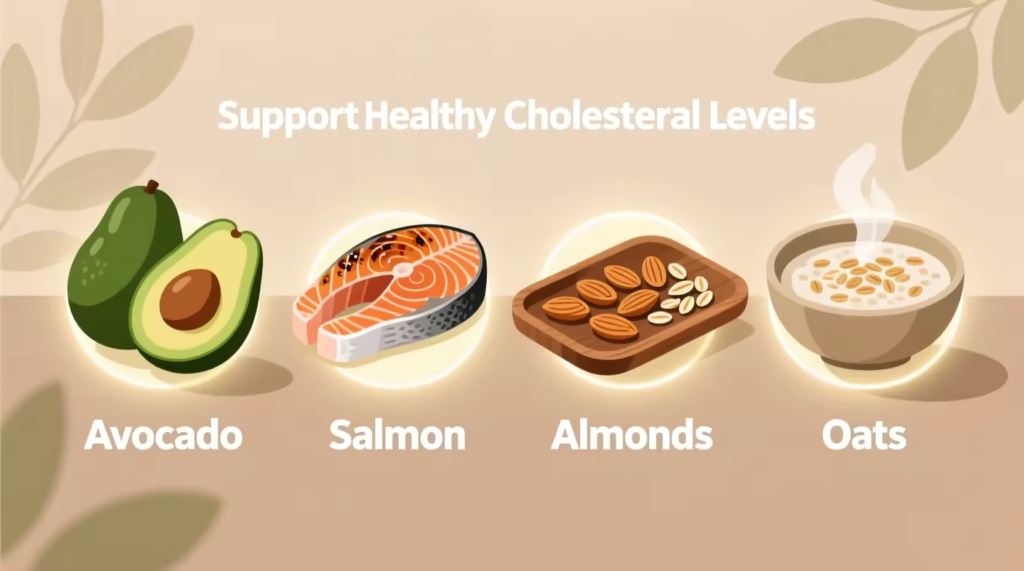

High cholesterol (hypercholesterolemia) refers to elevated levels of cholesterol in the blood, especially low-density lipoprotein cholesterol (LDL-C)—which is widely regarded as a key modifiable risk...

Stress has a significant impact on overall health, playing a crucial role in the development of various diseases and placing a substantial strain on the healthcare system (Shchaslyvyi et al., 2024)...

Light at night (LAN) refers to the use of artificial or natural light during nighttime hours for visibility purposes. Deprato et al. (2025) reports that approximately 80% of the global...
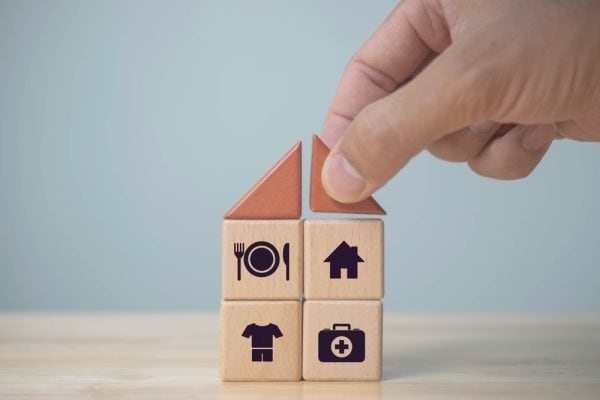
With the government shutdown, many aspects of daily life have been severely impacted. The rate of food insecurity is increasing, and challenges related to housing, transportation, and other social...

The rising cost of living has become a significant public health concern, particularly for low-income individuals who are struggling daily to survive. Addressing the social determinants of health...
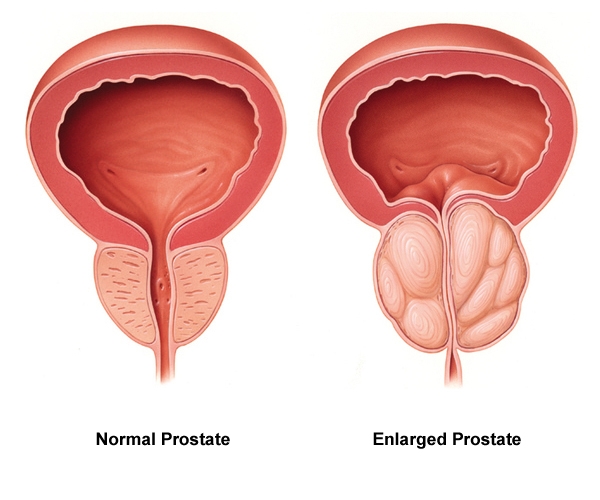
The prostate is a small, walnut-sized, shaped organ below the bladder and in front of the rectum. The main functions are to create fluids for semen and force semen through the urethra during...
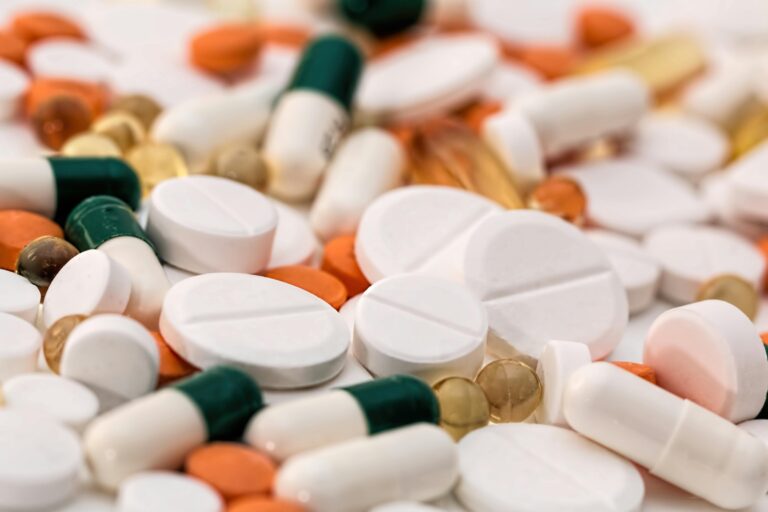
Introduction One of man’s best inventions is drugs, especially disease-specific ones. Drugs are substances other than food, which can prevent, relieve the symptoms, or cure an abnormality or...

Research reports that American women are disproportionately affected, with the highest obesity rates among all groups in the U.S. About 80% are classified as overweight or obese. Disparities in weight...

Sleep is essential for the health and well-being of children, adolescents, and adults. Quality sleep supports emotional well-being, metabolic health, cognitive function, mental health, and...