Successful interventions for managing or reducing effects of Postpartum depression (PPD)
 by
by 
Postpartum depression (PPD) presents a significant public health concern, affecting not only the physical and mental well-being of mothers but also that of their infants. Research suggests that approximately 13 million women worldwide are diagnosed with PPD annually (Xu et al., 2023). Mild depressive symptoms are experienced by around 50% to 75% of mothers, with 10% to 15% developing postpartum depression within the first week after childbirth (Xu et al., 2023).
Understanding preventive measures to reduce its prevalence is very crucial.
1. Exercise intervention has proven effective in preventing PPD disorders. In a 12-week exercise intervention study, aerobic exercise was found to relieve postpartum depression symptoms in PPD patients. Engaging in suitable aerobic exercise during pregnancy has been reported to promote pelvic mobility and improve birth canal space to relieve maternal labor pain. However, it also aids in preventing pregnancy complications. Studies suggest that PPD symptoms may manifest during pregnancy, with a similar 12% occurrence rate of depression reported, which indicates that preventive measures during pregnancy may have a significant impact on reducing PPD (Xu et al., 2023).
Moreover, research indicates that the antidepressant effects of exercise can persist beyond the cessation of physical activity. Therefore, research suggested that incorporating aerobic exercise into prenatal care may substantially prevent PPD more than exercise as a postpartum treatment strategy.
Engaging in moderate exercise during pregnancy can reduce the likelihood of developing postpartum depression (PPD) among expectant mothers. Partaking in at least 150 minutes of moderate-intensity aerobic exercise per week significantly enhances the efficacy of physical activity in preventing and treating PPD (Xu et al., 2023). Moderate aerobic exercise prompts the release of endorphins, which uplift mood and alleviate symptoms of anxiety and depression. Additionally, it helps regulate hormone levels, improve sleep quality, and enhance self-awareness and self-esteem, thereby positively influencing the mitigation of postpartum depression (Xu et al., 2023).
Also, social support plays a vital role in maintaining the mental well-being of pregnant and postpartum women, with supervised exercise and team-based exercise serving as effective avenues for providing such support. For instance,
• Team exercise fosters a positive environment for maternal emotional communication, and sharing maternal emotions enhances mothers’ childbirth knowledge and skills, reduces fear of labor pains, alleviates negative emotions, improves interpersonal communication, and enhances self-efficacy (Xu et al., 2023).
• Supervised exercise, which involves physical activities piloted and supervised by healthcare professionals or fitness trainers, ensuring that exercises are safe and suitable for individual pregnant and postpartum women. Participating in supervised exercise classes or programs also offers opportunities for social interaction, which is critical for mental well-being and can lighten feelings of isolation by connecting with other new mothers and professionals in a supportive setting (Xu et al., 2023).
2. Music therapy, when used as an adjunct to conventional psychotherapies, has been shown to improve physiological symptoms and effectively reduce negative emotions without any adverse side effects. It can positively impact and alleviate symptoms of PPD, offering a safe and affordable substitute to standard treatments. Music therapy is considered to reduce the need for pharmacological interventions during PPD treatment. Research has indicated that music therapy interventions such as music listening, improvisation, songwriting, singing, relaxation and meditation, and lyric analysis effectively reduce the risk of prolonged PPD and it can encourage strengths, empower individuals, and foster connections with themselves and others (Patch & Short, 2022).
References
Xu, H., Liu, R., Wang, X., & Yang, J. (2023). Effectiveness of aerobic exercise in the prevention and treatment of postpartum depression: Meta-analysis and network meta-analysis. PLOS ONE, 18(11), e0287650–e0287650. https://doi.org/10.1371/journal.pone.0287650
Patch, M. C., & Short, A. E. (2022). Addressing the “Baby Blues”: Developing a Music Therapy Model for Prevention and Treatment of Postpartum Depression. Australian Journal of Music Therapy, 33(2), 82–90. https://eds.p.ebscohost.com/eds/pdfviewer/pdfviewer?vid=10&sid=e5bc3ad9-8160-4ed8-bb4f-752141ecd9c5%40redis
 Four lifestyle changes to reduce the development of Uterine Fibroids (UFs)
Uterine fibroids (UFs) are the most common benign tumors found in women of reproductive age, with a disproportionate impact on women of color. These disparities are believed to be combined with environmental, genetic, and socio-economic factors.
Some of the lifestyle changes that can help prevent or reduce the development of uterine fibroids are;
- Decreasing Alcohol consumption: It’s advised that women decrease their alcohol consumption to reduce the risk of developing uterine fibroids (UFs). Studies have reported an association between alcohol intake and an increased likelihood of UFs. Studies believe that alcohol may alter hormone levels and disrupt hormonal balance, contributing to the formation of UFs. It is advisable to consult with a healthcare professional for personalized advice based on unique health occurrences. By being mindful of alcohol consumption and adhering to recommended limits, proactive steps can be taken to lower the risk of UFs.
- Engage in at least four hours of vigorous physical activity per week: Research has found a significant association between an increased BMI and the risk of UFs. Obesity is believed to be a contributing factor to UF. Studies believe that women who engage in at least four hours of vigorous physical activity per week are more likely to encounter a decrease in the risk factors of UFs.
- Consuming more fruits, Vegetables, and dietary fibers: High intake of processed and refined foods, unhealthy fats, and sugary drinks, and low consumption of fruits, vegetables, and fiber-rich foods may contribute to hormonal imbalances, inflammation and oxidative stress, thereby encouraging the growth of UFs as indicated in the research. Additionally, a lack of fruits, vegetables, and fiber-rich foods has been reported to be associated with an elevated risk of UFs. Fruits, vegetables, and fiber-rich food are excellent sources of antioxidants, vitamins, and minerals that help combat oxidative stress and inflammation. Specifically, Dietary fiber has been indicated to have protective impacts against UFs by supporting hormonal balance and improving regular bowel movements. Hence, adopting a healthy and balanced diet with whole grains, fruits, vegetables, lean proteins, and healthy fats is essential.
- Managing stress: Studies have found that chronic psychological stress could increase the risk of uterine fibroids and indicated a significant link between chronic psychological stress and an elevated risk of UFs, predominantly among non-Hispanic Black women. Eating healthy, exercising regularly, getting enough sleep, relaxing, connecting with friends and family, and practicing mindfulness are some ways to manage stress.
 Prevalent Barriers to obesity within the African American population.
As we know, obesity stands as a significant health concern affecting the lives of African Americans. It is imperative to grasp the barriers that contribute to the rising rates of obesity within this population.
Obesity is characterized by excessive body fat accumulation influenced by environmental and genetic factors and poses various health risks, including specific cancers, type 2 diabetes, hypertension, osteoarthritis, hyperlipidemia, and cardiovascular disease. Omondi & Freysteinson (2023) estimated annual medical expenses related to obesity issues in the United States to be around $147 billion. Research reveals that obesity prevalence is notably high among African Americans, with rates around 49.6%, surpassing non-Hispanic Whites at 42.2%. Mainly, obesity rates are higher among African American women, reaching 56.9%, compared to 41.1% among African American men (Lofton et al., 2023).
Access to nutritious foods is limited for African Americans, who often consume less nutritious diets with high levels of added sugars and fried foods. Multiple obstacles hinder healthy eating habits, including limited knowledge, the cost of nutritious foods, time constraints for meal preparation, reliance on transportation to access stores, and communication barriers with healthcare providers regarding dietary habits.
Similarly, opportunities for physical activity are restricted, exacerbating the obesity issue. Reduced physical activity levels and increased sedentary behaviors like gaming or screen time have been associated with higher body mass index (BMI). African Americans facing obesity encounter various challenges in engaging in physical activity, including a lack of awareness regarding effective exercise methods, limited access to affordable exercise programs, inadequate facilities, transportation limitations, and health concerns.
References
Omondi, H., & Freysteinson, W. M. (2023). Understanding Obesity in African American Women Using Leininger’s Theory. Nursing Science Quarterly, 37(1), 71–75. https://doi.org/10.1177/08943184231207383
Lofton, H., Ard, J. D., Hunt, R. R., & Knight, M. G. (2023). Obesity among African American people in the United States: A review. Obesity, 31(2), 306–315. https://doi.org/10.1002/oby.23640
 Four Major Diseases linked to smoking
According to the Centers for Disease Control and Prevention (2021), Cigarette smoking damages almost every organ in the body, leading to numerous diseases and overall health decline. In the United States, smoking is responsible for over 480,000 deaths each year, nearly one in five deaths. For women, smoking can make it more difficult to conceive and can adversely affect a baby’s health before and after birth. In men, smoking can reduce sperm quality, decreasing fertility and increasing the risk of congenital disabilities and miscarriage. Smoking also harms oral health, potentially leading to tooth loss. Moreover, it increases the risk of cataracts, which cloud the eye’s lens and impair vision. It can cause age-related macular degeneration (AMD), damaging a small spot near the retina’s center needed for central vision. Additionally, smoking is a risk factor for type 2 diabetes mellitus and can complicate its management, with active smokers having a 30-40% higher risk of developing diabetes compared to nonsmokers.
The four major diseases linked to smoking are
- Cardiovascular Diseases
- Increased mortality rates due to smoking.
- Elevated risk of ischemic heart diseases.
- Respiratory Conditions
- Smoking is a primary cause of chronic respiratory deaths.
- Increased risk of respiratory diseases and tuberculosis.
- Stroke
- A Study reports a Positive correlation between smoking prevalence and stroke-related deaths.
- Lung Cancer
- Study reports there is a higher likelihood of lung cancer with increased daily cigarette consumption.
 How to Decrease High Cholesterol Levels
High cholesterol (hypercholesterolemia) refers to elevated levels of cholesterol in the blood, especially low-density lipoprotein cholesterol (LDL-C)—which is widely regarded as a key modifiable risk factor for atherosclerosis and cardiovascular disease (CVD). LDL-C can deposit in arterial walls, forming plaques that narrow arteries and increase the risk of heart attack and stroke. Meanwhile, high-density lipoprotein (HDL-C) is considered “good” cholesterol because it helps transport cholesterol away from the arteries to the liver for excretion. Several factors can increase the level of cholesterol in the blood, as indicated below
Factors That Contribute to Elevated Cholesterol
- Poor diet
- Lack of Physical Exercise
- Excess body weight
- Smoking increases cholesterol profile, and excessive alcohol increases triglycerides
- Genetic traits
- Chronic stress and poor sleep
- Diet low fiber
To decrease high cholesterol in the blood, it is important to make positive changes to health behaviors by following the strategies below:
Strategies to Decrease High Cholesterol Levels
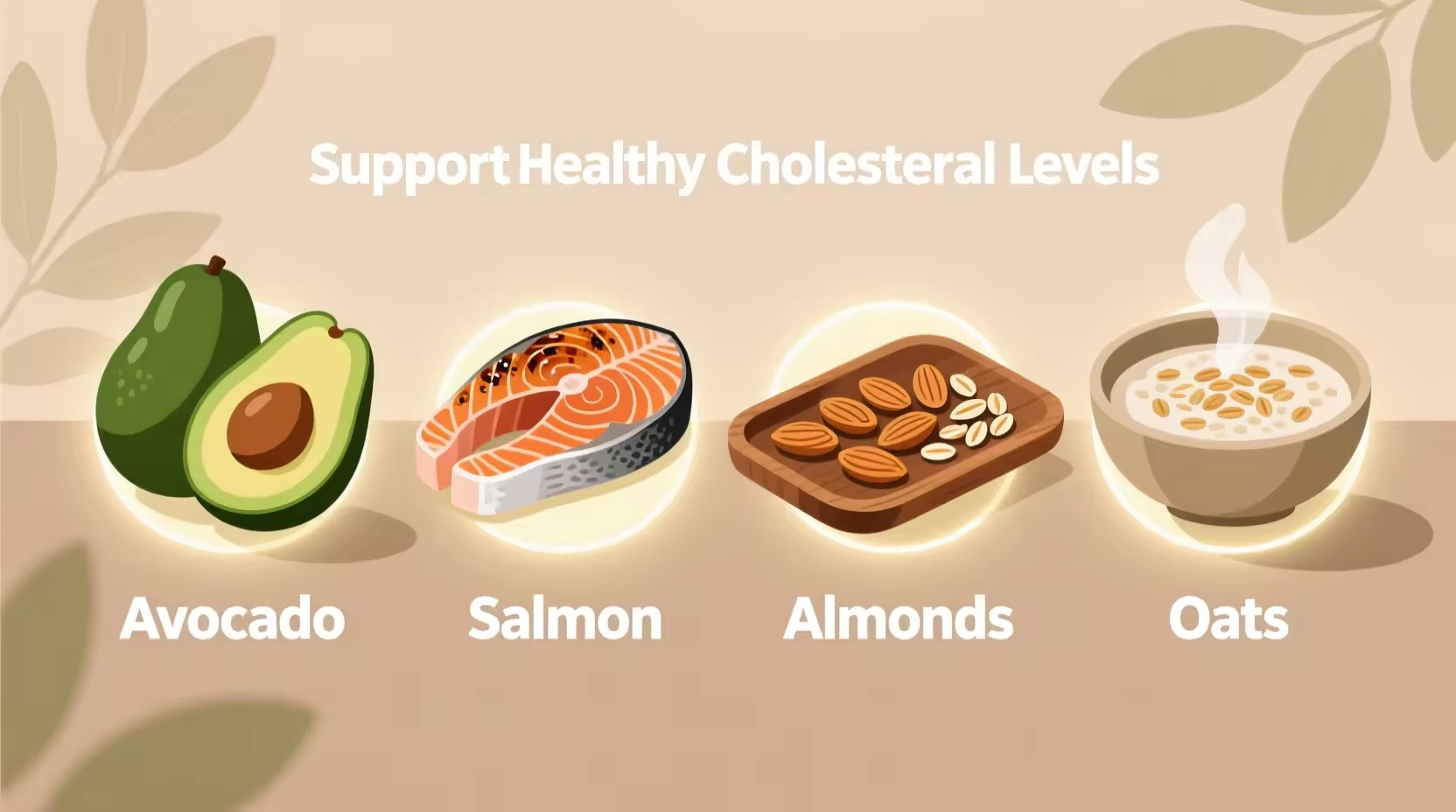
- Reduce intake of saturated and trans fats, and substitute with MUFA and PUFA-rich foods such as fatty fish(Salmon and Mackerel), olive oil/canola oil, Avocado/nuts
A study by Okobi et al. (2023) found that an avocado-rich diet can lower total cholesterol (TC) and low-density lipoprotein (LDL) levels.
- Increase consumption of food high in soluble fiber, such as oats, fruits, apples, and legumes.
- Regular aerobic exercise for 150 minutes/week lowers LDL and triglycerides and improves HDL.
- Losing excessive weight will improve LDL profiles.
- Quitting smoking will improve cardiovascular health and HDL levels
 The Health Risk Hiding In Your Light Switch and How to Prevent It
Light at night (LAN) refers to the use of artificial or natural light during nighttime hours for visibility purposes.
Deprato et al. (2025) reports that approximately 80% of the global population is exposed to light-polluted skies, and LAN is now considered a major environmental pollutant. Sources include streetlights, vehicles, homes, industries, and even atmospheric reflections.
LAN disrupts the body’s circadian rhythm, the internal 24-hour clock regulated by the brain’s suprachiasmatic nucleus. When artificial light interferes with natural dark–light patterns, it delays the circadian clock and sleep-wake cycle, leading to melatonin suppression, sleep disturbances, and an increased risk of various diseases (Deprato et al., 2025). Blue-rich and bright LED lights cause the most significant disruption (Deprato et al., 2025). The study reports that LAN exposure is linked to higher rates of depression, bipolar disorder, anxiety, and other severe mental disorders, likely due to circadian misalignment, sleep deprivation, and changes in brain chemicals such as serotonin and dopamine.
Implications:
1.The findings suggest that light pollution and artificial light exposure at night are not only environmental/visual concerns but also have mental health implications.
2. Encourages rethinking nighttime habits — including screen use before bed, bedroom lighting, blackout curtains, and managing exposure to streetlights or indoor lights at night.
3.The implications of light at night may vary by culture or by groups
4. Designing homes and neighborhoods that minimize intrusive nighttime lighting in bedrooms, promoting lighting standards that consider human health
Prevention/ Mitigation strategies
1.Reduce screen time before bed: Use “night mode” or blue-light filters on devices, dim the brightness, and avoid stimulating content.
2. Improve bedroom lighting: Use blackout curtains, turn off or dim indoor lights, remove bright electronic indicators, and opt for warm, low-intensity lighting in the evening.
3. Maintain a consistent sleep–wake schedule: Even if artificial light is present, a regular circadian rhythm helps mitigate disruptions.
4. Use lighting design for sleep: In the evening, switch to warmer (red/orange) wavelengths; avoid bright overhead white/blue light late at night.
5.Monitor and adjust ambient outdoor lighting: If streetlights are intrusive, consider using blackout curtains or an eye mask; if indoor lighting spills into the night, turn off non-essential lights.
Source: https://doi.org/10.1016/j.scitotenv.2025.179188
 Should we throw away our medicines after the ‘Best Before’ or Expiry date?
Introduction
One of man’s best inventions is drugs, especially disease-specific ones. Drugs are substances other than food, which can prevent, relieve the symptoms, or cure an abnormality or disease. Globally, the cost of drugs has soared over the years, resulting in a situation whereby low-income earners are unable to buy branded medications. In underdeveloped and developing countries where food and drug agencies have poor capacity to perform their regulatory functions optimally, we tend to see the proliferation of substandard or fake drugs. So many times, this ugly trend is energized by not just greed but by the market demands for affordable medications.
Why Medication exceeds expiry date
To mitigate the challenge of not being able to buy drugs, when necessary, people from resource-limited settings stack up some essential medications in their homes, which eventually exceed the best before or expiry dates on them. Sometimes, doctors could change a patient’s prescription because of reactions, allergies, or inability to purchase the drug, which could result in leftover drugs that eventually exceed the expiration date. Also, big pharmacies and patent-drug stores cannot sell all their stock, leading to the expiration of some drugs. This situation has raised many questions about the safety of these drugs after their expiration or beyond the “best before” date. Because of the importance of drugs and the health risks involved when taken wrongly, people have always consciously discarded unused drugs when it’s past the expiration date, even one day.
How Safe is a drug after the expiry date?
The debate about drugs being safe after their expiration date has persisted over the years, as many people still hold the opinion that pharmaceutical companies deliberately label their drugs with short shelf lives to guarantee steady patronage. Eventually, most of these unused drugs are discarded. The context that drugs can still be safe for a long time after expiration has gained several affirmations. In a recent study by Benjamin Davido and others titled ‘Efficacy of Expired Antibiotics: A Real Debate in the Context of Repeated Drug Shortages’ published in MDPI Journal “Antibiotics”, it was reported that when appropriately stored in line with the expected conditions, no expired antibiotics tested failed to be potent after one year of expiration. In another study by Sushil Sharma and others, titled ‘A study to investigate the chemical potency, physical stability, and efficacy of analgesic agents over a period of two years post their expiry date’ published in the “Medical Journal Armed Forces India”, it was seen that drugs such as Diclofenac, Piroxicam, and Ibuprofen retained their stability, analgesic efficacy, chemical active ingredients and by implication their potency up to a duration of two years after expiration.
Important factors to consider
However, the issues of proper storage and handling can play a big role, especially in the tropical climate of West Africa and other geographical regions. Hence, people in the tropics may have to rely on their capacity to store their drugs in the required condition in deciding whether to use a drug past the expiration date or not.
Conclusion
This article doesn’t advocate for the use of expired medication but to reduce anxiety about accidental use. It is essential to understand factors that impact drug stability.
(Written by Ebenezer Dic-Ijiewere PhD.)
NB: Always consult your healthcare professionals regarding expired medications to ensure medication safety and effectiveness.