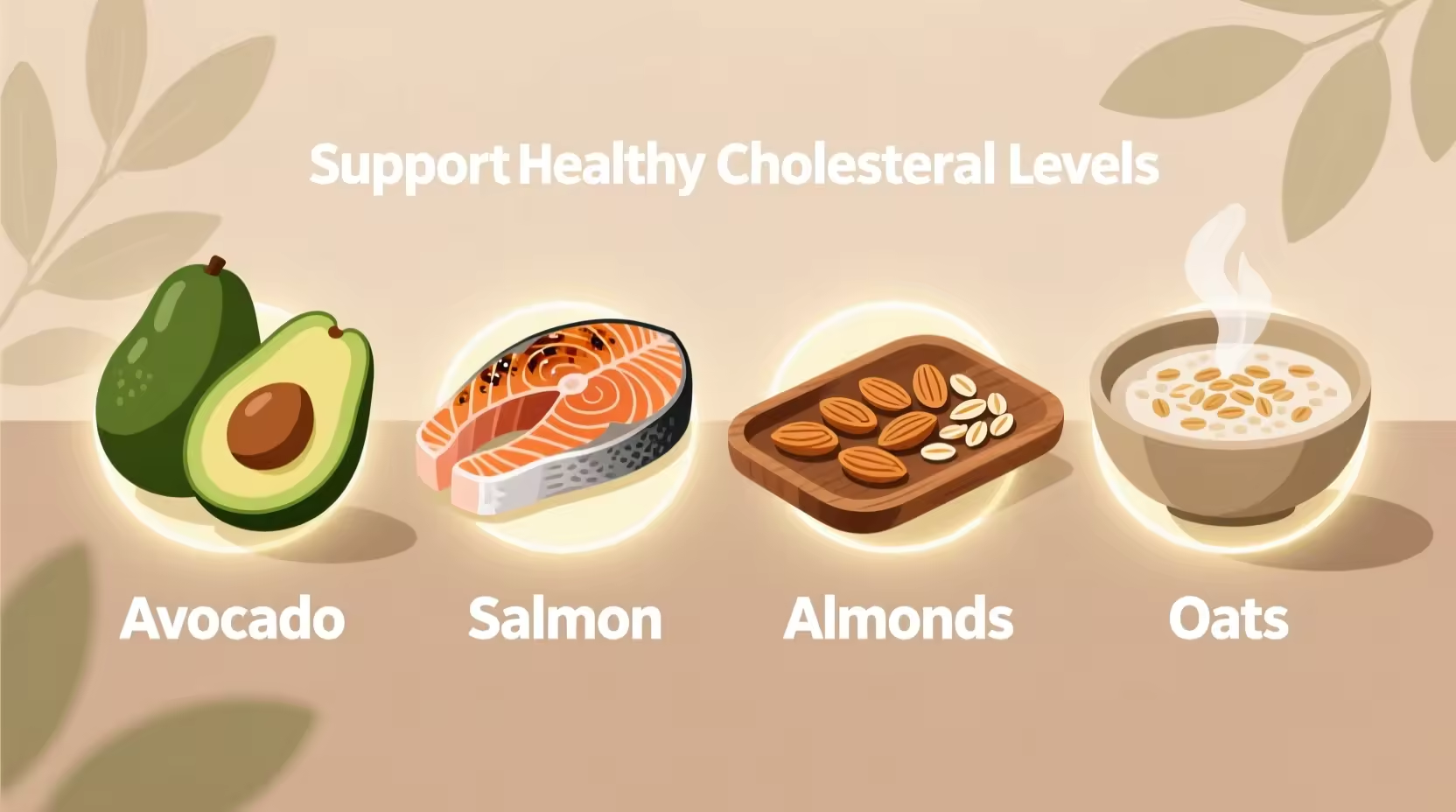
High cholesterol (hypercholesterolemia) refers to elevated levels of cholesterol in the blood, especially low-density lipoprotein cholesterol (LDL-C)—which is widely regarded as a key modifiable risk factor for atherosclerosis and cardiovascular disease (CVD). LDL-C can deposit in arterial walls, forming plaques that narrow arteries and increase the risk of heart attack and stroke. Meanwhile, high-density lipoprotein (HDL-C) is considered “good” cholesterol because it helps transport cholesterol away from the arteries to the liver for excretion. Several factors can increase the level of cholesterol in the blood, as indicated below
Factors That Contribute to Elevated Cholesterol
- Poor diet
- Lack of Physical Exercise
- Excess body weight
- Smoking increases cholesterol profile, and excessive alcohol increases triglycerides
- Genetic traits
- Chronic stress and poor sleep
- Diet low fiber
To decrease high cholesterol in the blood, it is important to make positive changes to health behaviors by following the strategies below:
Strategies to Decrease High Cholesterol Levels
- Reduce intake of saturated and trans fats, and substitute with MUFA and PUFA-rich foods such as fatty fish(Salmon and Mackerel), olive oil/canola oil, Avocado/nuts
A study by Okobi et al. (2023) found that an avocado-rich diet can lower total cholesterol (TC) and low-density lipoprotein (LDL) levels.
- Increase consumption of food high in soluble fiber, such as oats, fruits, apples, and legumes.
- Regular aerobic exercise for 150 minutes/week lowers LDL and triglycerides and improves HDL.
- Losing excessive weight will improve LDL profiles.
- Quitting smoking will improve cardiovascular health and HDL levels