Four lifestyle changes to reduce the development of Uterine Fibroids (UFs)
 by
by 
Uterine fibroids (UFs) are the most common benign tumors found in women of reproductive age, with a disproportionate impact on women of color. These disparities are believed to be combined with environmental, genetic, and socio-economic factors.
Some of the lifestyle changes that can help prevent or reduce the development of uterine fibroids are;
- Decreasing Alcohol consumption: It’s advised that women decrease their alcohol consumption to reduce the risk of developing uterine fibroids (UFs). Studies have reported an association between alcohol intake and an increased likelihood of UFs. Studies believe that alcohol may alter hormone levels and disrupt hormonal balance, contributing to the formation of UFs. It is advisable to consult with a healthcare professional for personalized advice based on unique health occurrences. By being mindful of alcohol consumption and adhering to recommended limits, proactive steps can be taken to lower the risk of UFs.
- Engage in at least four hours of vigorous physical activity per week: Research has found a significant association between an increased BMI and the risk of UFs. Obesity is believed to be a contributing factor to UF. Studies believe that women who engage in at least four hours of vigorous physical activity per week are more likely to encounter a decrease in the risk factors of UFs.
- Consuming more fruits, Vegetables, and dietary fibers: High intake of processed and refined foods, unhealthy fats, and sugary drinks, and low consumption of fruits, vegetables, and fiber-rich foods may contribute to hormonal imbalances, inflammation and oxidative stress, thereby encouraging the growth of UFs as indicated in the research. Additionally, a lack of fruits, vegetables, and fiber-rich foods has been reported to be associated with an elevated risk of UFs. Fruits, vegetables, and fiber-rich food are excellent sources of antioxidants, vitamins, and minerals that help combat oxidative stress and inflammation. Specifically, Dietary fiber has been indicated to have protective impacts against UFs by supporting hormonal balance and improving regular bowel movements. Hence, adopting a healthy and balanced diet with whole grains, fruits, vegetables, lean proteins, and healthy fats is essential.
- Managing stress: Studies have found that chronic psychological stress could increase the risk of uterine fibroids and indicated a significant link between chronic psychological stress and an elevated risk of UFs, predominantly among non-Hispanic Black women. Eating healthy, exercising regularly, getting enough sleep, relaxing, connecting with friends and family, and practicing mindfulness are some ways to manage stress.
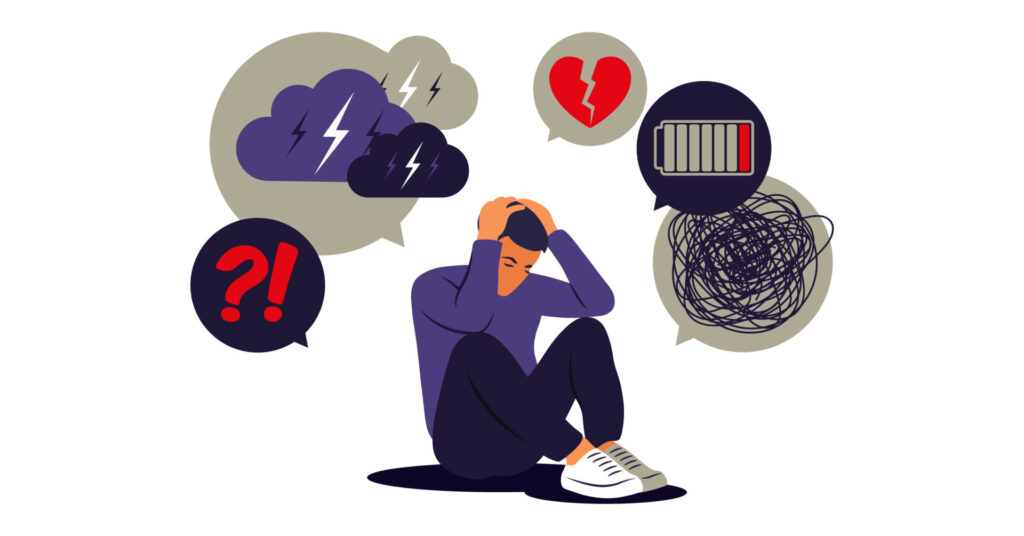 The Health Effects of Stress
Overview of Stress: Stress significantly affects health, contributing to disease development and burdening healthcare systems considerably. It is a significant factor in various ongoing health issues, particularly cardiovascular diseases, which are often impaired by everyday psychosocial pressures, such as work-related stress.
The following are the roles of stress in disease development.
Gender Differences in Stress Responses: Gender plays a vital role in how individuals experience and manage stress. Research reports that women are more likely to develop mood disorders and autoimmune. At the same time, men tend to have higher rates of early substance abuse, infectious disease, mortality, and antisocial behavior. Unsuccessful stress management can lead to severe physical and mental health consequences for both individuals and communities.
Physiological Responses to Stress: The study reports that stressful events can trigger emotional responses such as anxiety and worry, impacting the hypothalamic-pituitary-adrenal (HPA) axis and the sympathetic-adrenal-medullary (SAM) system, which may lead to unhealthy lifestyle choices, comprising poor sleep, alcohol consumption, decreased physical activity and increased smoking thereby increase the risk of diseases.
Chronic Stress in Specific Environments: Chronic stress in educational settings and workplaces impacts mental and physical health noticeably. Also, it indicates that occupational stress significantly affects mental well-being.
Traumatic Events as a Stress Source: Traumatic events are a prevalent source of stress that affects a large portion of the population. The study reports that In North America, about 60% to 75% of individuals will experience a traumatic event in their lifetime, including serious accidents, exposure to war, sexual assault, chronic childhood abuse, or neglect.
Seven ways to create a meaningful impact on the health and well-being of othersOur connections with family, friends, and colleagues are crucial. Individuals who have strong social connections and supportive relationships are more likely to adopt healthy lifestyles and effectively cope with stress, anxiety, and depression, especially during difficult times. A supportive network of family members, close friends, and colleagues provides a sense of belonging and emotional support.
Ways to create meaningful impacts are;
1.Showing kindness: Providing a listening ear, checking in on them, offering assistance, or simply sharing a smile can profoundly influence the overall well-being of others.

2. Promoting physical activity: Encouraging others to participate in physical activities such as organizing sports events, walking or running together, or engaging in group activities can enhance physical and social well-being.

3. Spreading awareness and education: Educating others about healthy lifestyle choices, including proper nutrition, exercise, and stress management, can empower them to make positive life changes.

4. Promoting a healthy diet: Sharing recipes, discussing healthy eating habits, organizing cooking classes, and advocating for nutritious foods can encourage healthier dietary choices.

5. Supporting access to healthcare: Being present for others during difficult times is crucial and can significantly improve their lives. Providing transportation to healthcare facilities encourages them to seek professional help when needed, and assisting with paperwork can make access easier.

6. Advocating for policy changes: Supporting policies and initiatives that promote public health, such as mental health services, water regulation, and access to healthcare, can have a broad impact on the well-being of entire communities.

7. Assisting those with chronic illnesses: Offering understanding and support to individuals with chronic health conditions can help them manage their conditions and enhance their quality of life.

 Unlocking the Benefits of Consistent Physical Activity
Inadequate exercise or physical activity can contribute to the prevalence of non-communicable diseases. Given that non-communicable diseases account for over 80% of deaths in some nations, they are regarded as “the number one killer” globally. Physical exercise is any movement that requires energy, like housework, manual labor, walking, or manual labor. Exercise, on the other hand, is a regimen of physical activity that is organized and planned to enhance physical fitness.
Evidenced-based benefits.
- Physical Health: Research reported that 150 min of moderate-intensity or 75 min of vigorous-intensity physical activity led to a 14% risk reduction in all-cause mortality in patients with cardiovascular disease. In healthy adults, the risk decreased by 7%. Regular exercise has been shown in numerous studies to be beneficial in lowering the risk of cardiovascular disease as well as improving the health of patients with a variety of other conditions, such as certain cancers. stroke, type 2 diabetes, age-related sarcopenia, obesity, and multiple sclerosis.
- Mental Health: Research findings indicate that youth with mild to moderate mental health issues can benefit from organized sports and exercise programs. In one study, participants highlighted the significance of intensity choice for their enjoyment and commitment to the program, and it was shown that a self-selected intensity sport and exercise intervention was beneficial for depression. Research findings indicate that youth with mild to moderate mental health issues can benefit from organized sports and exercise programs. In one study, participants highlighted the significance of intensity choice for their enjoyment and commitment to the program, and it was shown that a self-selected intensity sport and exercise intervention was beneficial for depression. Also, engaging in physical exercise for 14 weeks can considerably improve mental symptoms, reduce anxiety and somatization, lessen obsessive-compulsive symptoms, and lift depressed moods.
- Quality Sleep: Study indicated that quality of sleep was positively impacted by exercise. Additionally, insomnia was somewhat alleviated following the exercise intervention. For instance, studies reveal that first-year students who exercise more get better sleep than those who exercise less during the night.
Evidenced-based research recommended the following:
- Adults should aim for more than 300 minutes of moderate-intensity aerobic physical activity, 150 minutes of vigorous-intensity aerobic physical activity spread out over the week, or an equivalent mix of moderate-intensity and vigorous-intensity aerobic physical activity.
- Engage in moderate-to-intense muscle-strengthening activities that target all major muscle groups two or more days a week.
- Adults 65 and older engage in multicomponent physical activity that involves functional balance and strength training at a moderate or higher intensity for at least three days a week in addition to aerobic exercises.
 Key Strategies to Cope with Stress
Stress has a significant impact on overall health, playing a crucial role in the development of various diseases and placing a substantial strain on the healthcare system (Shchaslyvyi et al., 2024). It is closely linked to numerous long-term health problems, especially cardiovascular conditions, which are often worsened by daily psychosocial pressures like job-related stress (Shchaslyvyi et al.,2024) It is essential to understand the healthy ways to cope with or manage stress.
Various strategies recommended according to the CDC (2025)
- Take Care of Your Mind
Limit news and social media exposure: Excessive exposure to harmful or distressing news can exacerbate stress.
Make time to unwind: Incorporate relaxation practices such as deep breathing, stretching, or meditation.
Keep a journal: Writing can help you process emotions, reflect on your thoughts, and release tension.
Spend time outdoors: Whether you are being active (walking, hiking) or just relaxing outside, nature can be a calming presence.
Practice gratitude: Regularly noting things you are grateful for helps improve emotional well-being.
Connect with others: Talking to trusted friends, family, or community/faith-based groups provides support.
- Take Care of Your Body
Get enough sleep: The CDC recommends 7 hours or more per night for adults and suggests maintaining a consistent sleep schedule.
Move more: Physical activity is one of the most effective ways to reduce stress; even small amounts can help.
Eat well: A balanced diet (fruits, vegetables, lean proteins, whole grains, low-fat dairy) supports both physical and mental health.
Limit alcohol and avoid substance misuse: Moderating alcohol intake, avoiding illegal drugs, and not misusing prescription medication are essential.
Avoid tobacco: Smoking, vaping, and the use of other tobacco products can worsen stress or its effects.
Stay up to date with healthcare: Regular check-ups, screenings, and vaccinations help you maintain your physical health — which can help buffer stress.
- Integrate Physical and Mental Health
The CDC emphasizes that mental well-being and physical health are closely linked. Regular physical activity is not only good for the body but also supports emotional resilience.
It encourages finding a “right combination” of coping techniques that work for you — not everyone copes the same way.
- Know When to Seek Extra Support
The CDC notes that while stress is everyday, chronic stress (long-term) can lead to serious health problems.
If you’re struggling to cope or stress is affecting your daily life, it’s okay to reach out for help. They list resources, including crisis lines.
Sources
CDC. (2025)
International Journal of Environmental Research and Public Health, 21(8), 1077–1077. https://doi.org/10.3390/ijerph21081077
 The Struggle to Survive: Living Through the Rising Cost
The rising cost of living has become a significant public health concern, particularly for low-income individuals who are struggling daily to survive. Addressing the social determinants of health among this population remains an urgent issue, as many face ongoing challenges accessing essential needs such as food, housing, transportation, and healthcare. During my assessment of some of the low-income individuals, I found that several individuals eat only once a day to save money for rent. Many reported choosing to go hungry rather than risk homelessness. Some have been living in their cars for nearly a year, while others rely on the homes of friends to shower and change clothes. It is heartbreaking to witness the difficult situations people endure every day to stay alive.
The rising cost of living has multiple impacts on health and well-being. According to Grewal et al. (2024), increasing housing costs—one of the key components of living expenses—can have both direct and indirect health consequences. Their study indicates that:
- Financial strain from high housing and living expenses contributes to increased stress, anxiety, and depression, particularly among renters and low-income individuals.
- Food insecurity often results when households must prioritize rent or transportation over nutrition, leading to poor dietary intake and higher risks of chronic diseases.
- Limited access to healthcare arises when individuals cannot afford medical visits, medications, or preventive care due to competing financial demands.
- Housing instability or homelessness can expose individuals to unsafe environments, lack of sanitation, and interrupted social support networks, which worsen both physical and mental health outcomes.
Overall, Grewal et al. (2024) emphasize that the effects of rising housing and living costs are unequally distributed, disproportionately affecting low-income individuals who already face multiple barriers to health. This highlights the need for comprehensive policy approaches that integrate housing affordability, income support, and healthcare access as essential strategies to promote health equity.
Source: https://doi.org/10.1186/s12889-024-18360-w
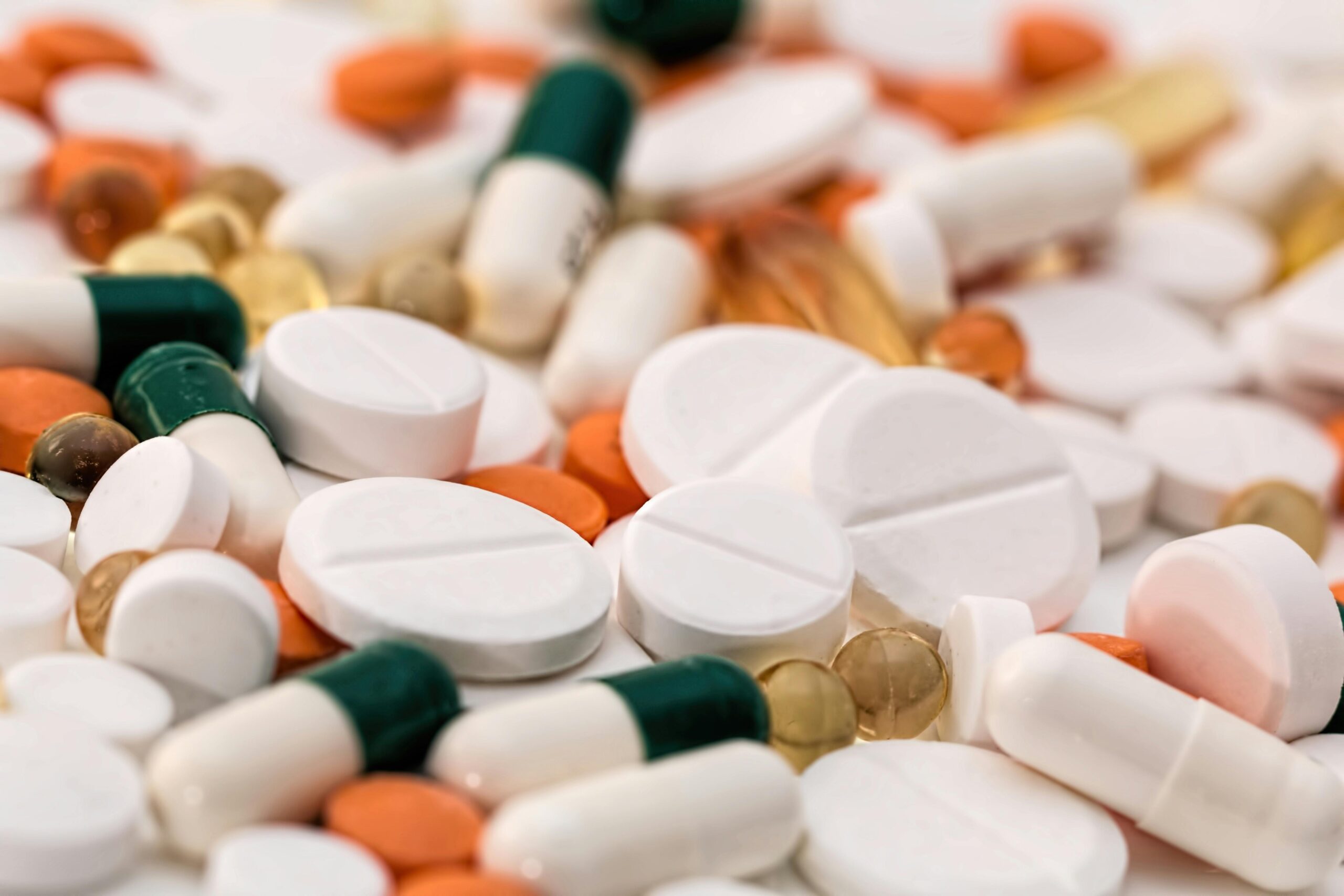 Should we throw away our medicines after the ‘Best Before’ or Expiry date?
Introduction
One of man’s best inventions is drugs, especially disease-specific ones. Drugs are substances other than food, which can prevent, relieve the symptoms, or cure an abnormality or disease. Globally, the cost of drugs has soared over the years, resulting in a situation whereby low-income earners are unable to buy branded medications. In underdeveloped and developing countries where food and drug agencies have poor capacity to perform their regulatory functions optimally, we tend to see the proliferation of substandard or fake drugs. So many times, this ugly trend is energized by not just greed but by the market demands for affordable medications.
Why Medication exceeds expiry date
To mitigate the challenge of not being able to buy drugs, when necessary, people from resource-limited settings stack up some essential medications in their homes, which eventually exceed the best before or expiry dates on them. Sometimes, doctors could change a patient’s prescription because of reactions, allergies, or inability to purchase the drug, which could result in leftover drugs that eventually exceed the expiration date. Also, big pharmacies and patent-drug stores cannot sell all their stock, leading to the expiration of some drugs. This situation has raised many questions about the safety of these drugs after their expiration or beyond the “best before” date. Because of the importance of drugs and the health risks involved when taken wrongly, people have always consciously discarded unused drugs when it’s past the expiration date, even one day.
How Safe is a drug after the expiry date?
The debate about drugs being safe after their expiration date has persisted over the years, as many people still hold the opinion that pharmaceutical companies deliberately label their drugs with short shelf lives to guarantee steady patronage. Eventually, most of these unused drugs are discarded. The context that drugs can still be safe for a long time after expiration has gained several affirmations. In a recent study by Benjamin Davido and others titled ‘Efficacy of Expired Antibiotics: A Real Debate in the Context of Repeated Drug Shortages’ published in MDPI Journal “Antibiotics”, it was reported that when appropriately stored in line with the expected conditions, no expired antibiotics tested failed to be potent after one year of expiration. In another study by Sushil Sharma and others, titled ‘A study to investigate the chemical potency, physical stability, and efficacy of analgesic agents over a period of two years post their expiry date’ published in the “Medical Journal Armed Forces India”, it was seen that drugs such as Diclofenac, Piroxicam, and Ibuprofen retained their stability, analgesic efficacy, chemical active ingredients and by implication their potency up to a duration of two years after expiration.
Important factors to consider
However, the issues of proper storage and handling can play a big role, especially in the tropical climate of West Africa and other geographical regions. Hence, people in the tropics may have to rely on their capacity to store their drugs in the required condition in deciding whether to use a drug past the expiration date or not.
Conclusion
This article doesn’t advocate for the use of expired medication but to reduce anxiety about accidental use. It is essential to understand factors that impact drug stability.
(Written by Ebenezer Dic-Ijiewere PhD.)
NB: Always consult your healthcare professionals regarding expired medications to ensure medication safety and effectiveness.