Our connections with family, friends, and colleagues are crucial. Individuals who have strong social connections and supportive relationships are more likely to adopt healthy lifestyles and effectively cope with stress, anxiety, and depression, especially during difficult times. A supportive network of family members, close friends, and colleagues provides a sense of belonging and emotional support.
Ways to create meaningful impacts are;
1.Showing kindness: Providing a listening ear, checking in on them, offering assistance, or simply sharing a smile can profoundly influence the overall well-being of others.

2. Promoting physical activity: Encouraging others to participate in physical activities such as organizing sports events, walking or running together, or engaging in group activities can enhance physical and social well-being.

3. Spreading awareness and education: Educating others about healthy lifestyle choices, including proper nutrition, exercise, and stress management, can empower them to make positive life changes.

4. Promoting a healthy diet: Sharing recipes, discussing healthy eating habits, organizing cooking classes, and advocating for nutritious foods can encourage healthier dietary choices.

5. Supporting access to healthcare: Being present for others during difficult times is crucial and can significantly improve their lives. Providing transportation to healthcare facilities encourages them to seek professional help when needed, and assisting with paperwork can make access easier.

6. Advocating for policy changes: Supporting policies and initiatives that promote public health, such as mental health services, water regulation, and access to healthcare, can have a broad impact on the well-being of entire communities.

7. Assisting those with chronic illnesses: Offering understanding and support to individuals with chronic health conditions can help them manage their conditions and enhance their quality of life.

 Strategies for Improving Sleep Quality
Sleep is essential for the health and well-being of children, adolescents, and adults. Quality sleep supports emotional well-being, metabolic health, cognitive function, mental health, and cardiovascular and cerebrovascular health. Additionally, getting sufficient, high-quality sleep helps reduce the risk of fatigue-related accidents and injuries, such as motor vehicle accidents and workplace incidents.
Recommended Sleep Duration
The American Academy of Sleep Medicine (AASM) and the Sleep Research Society (SRS) recommend that adults aim for at least 7 hours of sleep each night to promote optimal health. Similarly, the National Sleep Foundation (NSF) advises adults to get 7 to 9 hours of sleep per night, with older adults requiring 7 to 8 hours.
Prevalence of Sleep Disorders and Mental Health Impacts
About one-third of the population experiences insomnia symptoms, such as difficulty falling or staying asleep. Additionally, 4% to 26% of individuals report excessive sleepiness, and 2% to 4% have obstructive sleep apnea. Insomnia is associated with a significantly increased likelihood of mental health issues; individuals with insomnia are 10 times more likely to experience clinically significant depression and 17 times more likely to experience anxiety compared to those without insomnia. Poor sleep is also linked to post-traumatic stress, eating disorders, and psychosis spectrum experiences, such as delusions and hallucinations.
Improving sleep Quality
Improving sleep quality benefits mental health, and research reports that sleep plays a causal role in mental health challenges. Better sleep positively affects future mental health, even those without clinical symptoms.
Strategies for Improving Sleep Quality
- Creating a relaxing sleep environment
- Limiting daytime naps
- Managing stress and worries
- Being mindful of food and drink choices
- Sticking to a consistent sleep schedule
- Incorporating physical activity into daily routines.
 Prevalent Barriers to obesity within the African American population.
As we know, obesity stands as a significant health concern affecting the lives of African Americans. It is imperative to grasp the barriers that contribute to the rising rates of obesity within this population.
Obesity is characterized by excessive body fat accumulation influenced by environmental and genetic factors and poses various health risks, including specific cancers, type 2 diabetes, hypertension, osteoarthritis, hyperlipidemia, and cardiovascular disease. Omondi & Freysteinson (2023) estimated annual medical expenses related to obesity issues in the United States to be around $147 billion. Research reveals that obesity prevalence is notably high among African Americans, with rates around 49.6%, surpassing non-Hispanic Whites at 42.2%. Mainly, obesity rates are higher among African American women, reaching 56.9%, compared to 41.1% among African American men (Lofton et al., 2023).
Access to nutritious foods is limited for African Americans, who often consume less nutritious diets with high levels of added sugars and fried foods. Multiple obstacles hinder healthy eating habits, including limited knowledge, the cost of nutritious foods, time constraints for meal preparation, reliance on transportation to access stores, and communication barriers with healthcare providers regarding dietary habits.
Similarly, opportunities for physical activity are restricted, exacerbating the obesity issue. Reduced physical activity levels and increased sedentary behaviors like gaming or screen time have been associated with higher body mass index (BMI). African Americans facing obesity encounter various challenges in engaging in physical activity, including a lack of awareness regarding effective exercise methods, limited access to affordable exercise programs, inadequate facilities, transportation limitations, and health concerns.
References
Omondi, H., & Freysteinson, W. M. (2023). Understanding Obesity in African American Women Using Leininger’s Theory. Nursing Science Quarterly, 37(1), 71–75. https://doi.org/10.1177/08943184231207383
Lofton, H., Ard, J. D., Hunt, R. R., & Knight, M. G. (2023). Obesity among African American people in the United States: A review. Obesity, 31(2), 306–315. https://doi.org/10.1002/oby.23640
 Six Healthy Lifestyle Practices to Alleviate Depression Symptoms
Causes of Depression
Depression can arise from a multitude of factors, such as genetic, environmental, psychological, and biochemical ones.
Risk factors for depression
A person is more likely to experience depression if they have trauma, significant life changes, stress, a family history of depression, physical illnesses (like diabetes, cancer, or Parkinson’s disease), or as a side effect of certain medications.
Diagnosis of major depression disorder
A minimum of two weeks must pass with some of these symptoms and signs being presented almost daily to be diagnosed with Major Depressive Disorder:
Common symptoms of depression
The common symptoms of depression include.
- Persistent sadness,
- Hopelessness,
- Pessimism,
- Emptiness,
- Lack of energy,
- Feeling guilty or unworthy. The lack of interest or pleasure in pastimes,
- Alterations in appetite that result in either weight gain or loss,
- Slower speech, movement, or thought.
- Increased fidgeting
- Difficulty focusing, thinking coherently, or making decisions
- Suicidal thoughts, suicidal attempts, thoughts of death, or self-harming behavior
Lifestyle Practices to Alleviate Depression Symptoms
- Self-care. Practice stress-reduction techniques like tai chi or meditation. Get enough sleep, exercise, and eat a balanced diet. For the most part, adults require 7 to 9 hours of sleep. Refrain from using recreational drugs and alcohol, as these can exacerbate symptoms and complicate the treatment of depression.
- Educating family and friends about depression: They can assist you in identifying early indicators that your depression might be relapsing.
- Maintain your treatment regimen. Continue taking your medication and attending therapy sessions even after you feel better. Sudden medication discontinuation may result in withdrawal symptoms and a relapse of depression. If necessary, work with your physician to modify your medication or dosage to adhere to your treatment plan.
- Make modest, achievable goals: realistic goals to increase motivation and self-assurance. During the first stages of care, you might want to walk, have lunch with a friend, or make a bed. Gradually increase your goals as you get better.
- Identify the warning signs: Determine what triggers your depression, and if you notice any unusual changes in your feelings, thoughts, or behavior, speak with your doctor or a mental health professional. Keep a journal of your daily emotions, feelings, and reactions to identify trends and identify the things that lead to depression.
- Seek support. Maintaining relationships with people is crucial, especially during difficult times or periods, regardless of whether you receive support from family or a support group.
 Should we throw away our medicines after the ‘Best Before’ or Expiry date?
Introduction
One of man’s best inventions is drugs, especially disease-specific ones. Drugs are substances other than food, which can prevent, relieve the symptoms, or cure an abnormality or disease. Globally, the cost of drugs has soared over the years, resulting in a situation whereby low-income earners are unable to buy branded medications. In underdeveloped and developing countries where food and drug agencies have poor capacity to perform their regulatory functions optimally, we tend to see the proliferation of substandard or fake drugs. So many times, this ugly trend is energized by not just greed but by the market demands for affordable medications.
Why Medication exceeds expiry date
To mitigate the challenge of not being able to buy drugs, when necessary, people from resource-limited settings stack up some essential medications in their homes, which eventually exceed the best before or expiry dates on them. Sometimes, doctors could change a patient’s prescription because of reactions, allergies, or inability to purchase the drug, which could result in leftover drugs that eventually exceed the expiration date. Also, big pharmacies and patent-drug stores cannot sell all their stock, leading to the expiration of some drugs. This situation has raised many questions about the safety of these drugs after their expiration or beyond the “best before” date. Because of the importance of drugs and the health risks involved when taken wrongly, people have always consciously discarded unused drugs when it’s past the expiration date, even one day.
How Safe is a drug after the expiry date?
The debate about drugs being safe after their expiration date has persisted over the years, as many people still hold the opinion that pharmaceutical companies deliberately label their drugs with short shelf lives to guarantee steady patronage. Eventually, most of these unused drugs are discarded. The context that drugs can still be safe for a long time after expiration has gained several affirmations. In a recent study by Benjamin Davido and others titled ‘Efficacy of Expired Antibiotics: A Real Debate in the Context of Repeated Drug Shortages’ published in MDPI Journal “Antibiotics”, it was reported that when appropriately stored in line with the expected conditions, no expired antibiotics tested failed to be potent after one year of expiration. In another study by Sushil Sharma and others, titled ‘A study to investigate the chemical potency, physical stability, and efficacy of analgesic agents over a period of two years post their expiry date’ published in the “Medical Journal Armed Forces India”, it was seen that drugs such as Diclofenac, Piroxicam, and Ibuprofen retained their stability, analgesic efficacy, chemical active ingredients and by implication their potency up to a duration of two years after expiration.
Important factors to consider
However, the issues of proper storage and handling can play a big role, especially in the tropical climate of West Africa and other geographical regions. Hence, people in the tropics may have to rely on their capacity to store their drugs in the required condition in deciding whether to use a drug past the expiration date or not.
Conclusion
This article doesn’t advocate for the use of expired medication but to reduce anxiety about accidental use. It is essential to understand factors that impact drug stability.
(Written by Ebenezer Dic-Ijiewere PhD.)
NB: Always consult your healthcare professionals regarding expired medications to ensure medication safety and effectiveness.
 Contributing factors to the High Obesity Rates Among African American Women
Research reports that American women are disproportionately affected, with the highest obesity rates among all groups in the U.S. About 80% are classified as overweight or obese.
Disparities in weight loss
Research indicates that African American (AA) women tend to lose less weight compared to their Caucasian counterparts.
Contributing Factors
The contributing factors to the disparities are;
- Limited access to nutritious food
- Inadequate health insurance
- Lack of safe spaces for physical activity
Barriers to Weight Management
Challenges that hinder weight management efforts include:
- Personal beliefs
- Limited time
- Family dynamics
- Lack of motivation
- Financial constraints
Cultural Influence on Body Image
Cultural norms within the AA community, which often embrace larger body sizes and promote a positive body image, can also influence health behaviors. While fostering a positive body image has psychological benefits, it may reduce motivation to maintain a healthy weight. In Black culture, obesity and being overweight are often considered acceptable and carry little to no stigma. Cultural perspective may partially explain why general health promotion efforts are less effective in this community. The study reports that many Black female students aim to embody the culturally valued “thick and curvy” figure, consuming specific foods to shape their bodies while avoiding activities that might result in weight loss.
Why it may be difficult to seek care
A deep-rooted distrust of the healthcare system makes it difficult for many AA women to seek medical advice or treatment.
Physical inactivity as a health risk factor
Underestimating body weight can reduce engagement in healthy behaviors, such as regular physical activity. Physical inactivity is a major contributor to non-communicable diseases and mortality, emphasizing the need to address these issues within the AA community.
 How to Decrease High Cholesterol Levels
High cholesterol (hypercholesterolemia) refers to elevated levels of cholesterol in the blood, especially low-density lipoprotein cholesterol (LDL-C)—which is widely regarded as a key modifiable risk factor for atherosclerosis and cardiovascular disease (CVD). LDL-C can deposit in arterial walls, forming plaques that narrow arteries and increase the risk of heart attack and stroke. Meanwhile, high-density lipoprotein (HDL-C) is considered “good” cholesterol because it helps transport cholesterol away from the arteries to the liver for excretion. Several factors can increase the level of cholesterol in the blood, as indicated below
Factors That Contribute to Elevated Cholesterol
- Poor diet
- Lack of Physical Exercise
- Excess body weight
- Smoking increases cholesterol profile, and excessive alcohol increases triglycerides
- Genetic traits
- Chronic stress and poor sleep
- Diet low fiber
To decrease high cholesterol in the blood, it is important to make positive changes to health behaviors by following the strategies below:
Strategies to Decrease High Cholesterol Levels
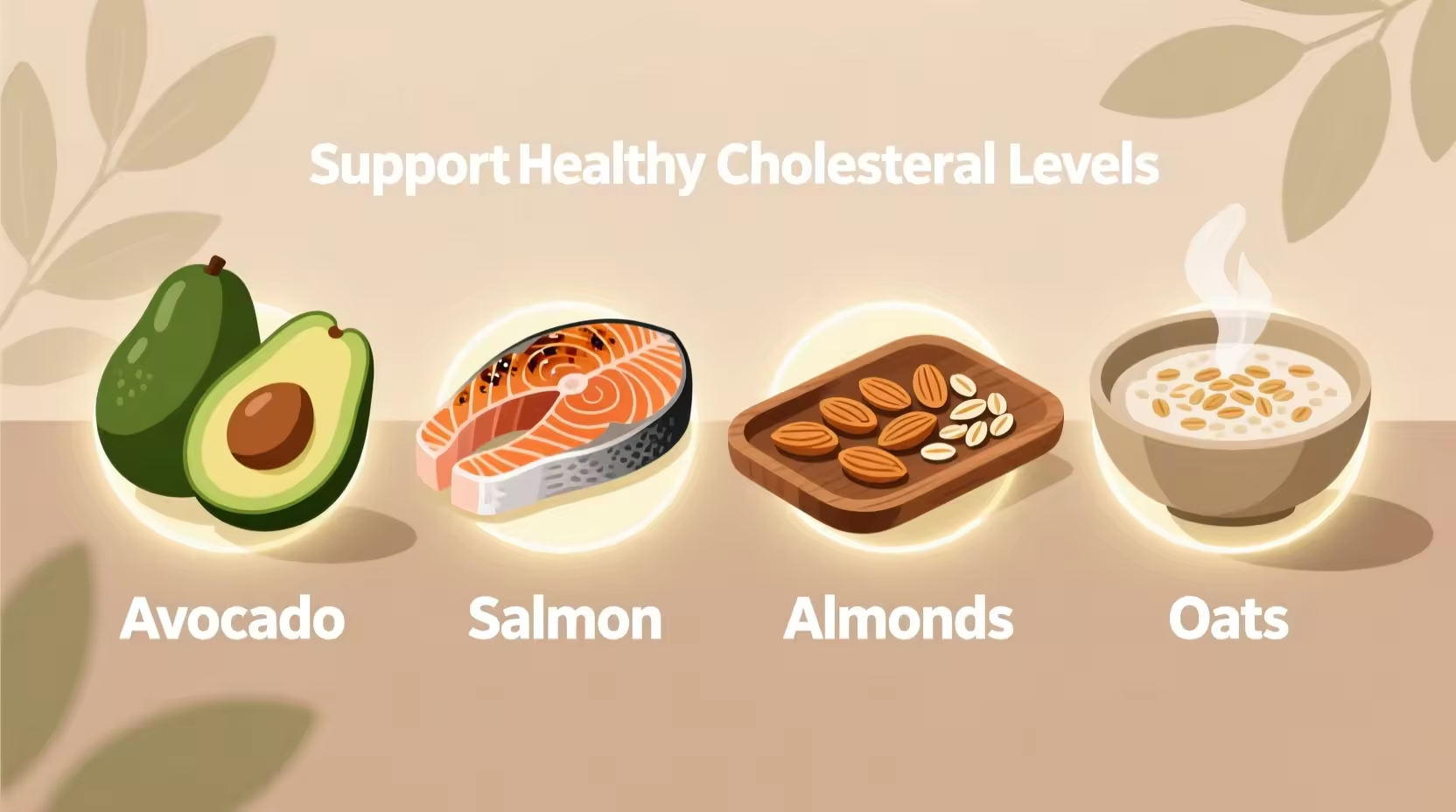
- Reduce intake of saturated and trans fats, and substitute with MUFA and PUFA-rich foods such as fatty fish(Salmon and Mackerel), olive oil/canola oil, Avocado/nuts
A study by Okobi et al. (2023) found that an avocado-rich diet can lower total cholesterol (TC) and low-density lipoprotein (LDL) levels.
- Increase consumption of food high in soluble fiber, such as oats, fruits, apples, and legumes.
- Regular aerobic exercise for 150 minutes/week lowers LDL and triglycerides and improves HDL.
- Losing excessive weight will improve LDL profiles.
- Quitting smoking will improve cardiovascular health and HDL levels