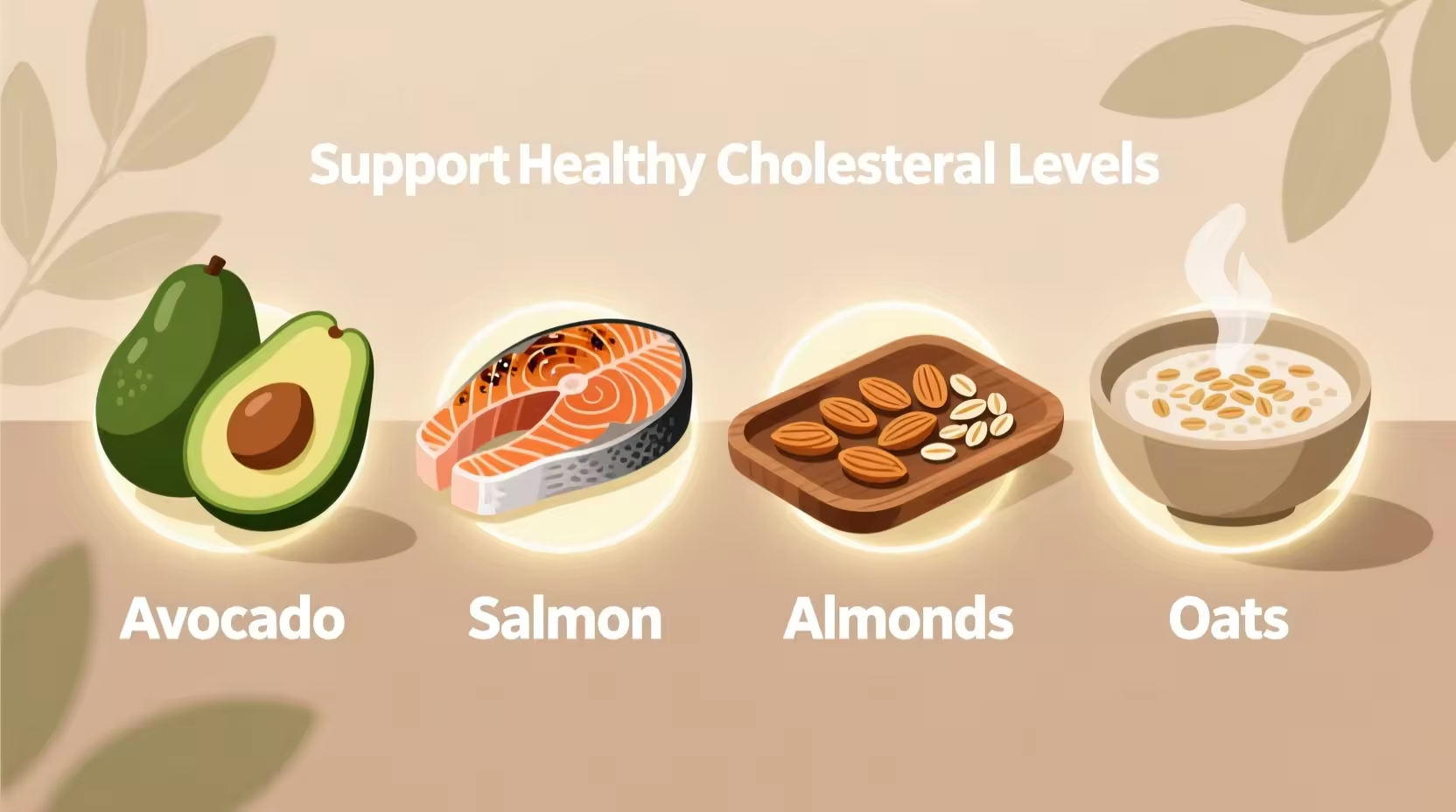
Sleep is essential for the health and well-being of children, adolescents, and adults. Quality sleep supports emotional well-being, metabolic health, cognitive function, mental health, and cardiovascular and cerebrovascular health. Additionally, getting sufficient, high-quality sleep helps reduce the risk of fatigue-related accidents and injuries, such as motor vehicle accidents and workplace incidents.
Recommended Sleep Duration
The American Academy of Sleep Medicine (AASM) and the Sleep Research Society (SRS) recommend that adults aim for at least 7 hours of sleep each night to promote optimal health. Similarly, the National Sleep Foundation (NSF) advises adults to get 7 to 9 hours of sleep per night, with older adults requiring 7 to 8 hours.
Prevalence of Sleep Disorders and Mental Health Impacts
About one-third of the population experiences insomnia symptoms, such as difficulty falling or staying asleep. Additionally, 4% to 26% of individuals report excessive sleepiness, and 2% to 4% have obstructive sleep apnea. Insomnia is associated with a significantly increased likelihood of mental health issues; individuals with insomnia are 10 times more likely to experience clinically significant depression and 17 times more likely to experience anxiety compared to those without insomnia. Poor sleep is also linked to post-traumatic stress, eating disorders, and psychosis spectrum experiences, such as delusions and hallucinations.
Improving sleep Quality
Improving sleep quality benefits mental health, and research reports that sleep plays a causal role in mental health challenges. Better sleep positively affects future mental health, even those without clinical symptoms.
Strategies for Improving Sleep Quality
- Creating a relaxing sleep environment
- Limiting daytime naps
- Managing stress and worries
- Being mindful of food and drink choices
- Sticking to a consistent sleep schedule
- Incorporating physical activity into daily routines.
 Successful interventions for managing or reducing effects of Postpartum depression (PPD)
Postpartum depression (PPD) presents a significant public health concern, affecting not only the physical and mental well-being of mothers but also that of their infants. Research suggests that approximately 13 million women worldwide are diagnosed with PPD annually (Xu et al., 2023). Mild depressive symptoms are experienced by around 50% to 75% of mothers, with 10% to 15% developing postpartum depression within the first week after childbirth (Xu et al., 2023).
Understanding preventive measures to reduce its prevalence is very crucial.
1. Exercise intervention has proven effective in preventing PPD disorders. In a 12-week exercise intervention study, aerobic exercise was found to relieve postpartum depression symptoms in PPD patients. Engaging in suitable aerobic exercise during pregnancy has been reported to promote pelvic mobility and improve birth canal space to relieve maternal labor pain. However, it also aids in preventing pregnancy complications. Studies suggest that PPD symptoms may manifest during pregnancy, with a similar 12% occurrence rate of depression reported, which indicates that preventive measures during pregnancy may have a significant impact on reducing PPD (Xu et al., 2023).
Moreover, research indicates that the antidepressant effects of exercise can persist beyond the cessation of physical activity. Therefore, research suggested that incorporating aerobic exercise into prenatal care may substantially prevent PPD more than exercise as a postpartum treatment strategy.
Engaging in moderate exercise during pregnancy can reduce the likelihood of developing postpartum depression (PPD) among expectant mothers. Partaking in at least 150 minutes of moderate-intensity aerobic exercise per week significantly enhances the efficacy of physical activity in preventing and treating PPD (Xu et al., 2023). Moderate aerobic exercise prompts the release of endorphins, which uplift mood and alleviate symptoms of anxiety and depression. Additionally, it helps regulate hormone levels, improve sleep quality, and enhance self-awareness and self-esteem, thereby positively influencing the mitigation of postpartum depression (Xu et al., 2023).
Also, social support plays a vital role in maintaining the mental well-being of pregnant and postpartum women, with supervised exercise and team-based exercise serving as effective avenues for providing such support. For instance,
• Team exercise fosters a positive environment for maternal emotional communication, and sharing maternal emotions enhances mothers’ childbirth knowledge and skills, reduces fear of labor pains, alleviates negative emotions, improves interpersonal communication, and enhances self-efficacy (Xu et al., 2023).
• Supervised exercise, which involves physical activities piloted and supervised by healthcare professionals or fitness trainers, ensuring that exercises are safe and suitable for individual pregnant and postpartum women. Participating in supervised exercise classes or programs also offers opportunities for social interaction, which is critical for mental well-being and can lighten feelings of isolation by connecting with other new mothers and professionals in a supportive setting (Xu et al., 2023).
2. Music therapy, when used as an adjunct to conventional psychotherapies, has been shown to improve physiological symptoms and effectively reduce negative emotions without any adverse side effects. It can positively impact and alleviate symptoms of PPD, offering a safe and affordable substitute to standard treatments. Music therapy is considered to reduce the need for pharmacological interventions during PPD treatment. Research has indicated that music therapy interventions such as music listening, improvisation, songwriting, singing, relaxation and meditation, and lyric analysis effectively reduce the risk of prolonged PPD and it can encourage strengths, empower individuals, and foster connections with themselves and others (Patch & Short, 2022).
References
Xu, H., Liu, R., Wang, X., & Yang, J. (2023). Effectiveness of aerobic exercise in the prevention and treatment of postpartum depression: Meta-analysis and network meta-analysis. PLOS ONE, 18(11), e0287650–e0287650. https://doi.org/10.1371/journal.pone.0287650
Patch, M. C., & Short, A. E. (2022). Addressing the “Baby Blues”: Developing a Music Therapy Model for Prevention and Treatment of Postpartum Depression. Australian Journal of Music Therapy, 33(2), 82–90. https://eds.p.ebscohost.com/eds/pdfviewer/pdfviewer?vid=10&sid=e5bc3ad9-8160-4ed8-bb4f-752141ecd9c5%40redis
 Six Healthy Lifestyle Practices to Alleviate Depression Symptoms
Causes of Depression
Depression can arise from a multitude of factors, such as genetic, environmental, psychological, and biochemical ones.
Risk factors for depression
A person is more likely to experience depression if they have trauma, significant life changes, stress, a family history of depression, physical illnesses (like diabetes, cancer, or Parkinson’s disease), or as a side effect of certain medications.
Diagnosis of major depression disorder
A minimum of two weeks must pass with some of these symptoms and signs being presented almost daily to be diagnosed with Major Depressive Disorder:
Common symptoms of depression
The common symptoms of depression include.- Persistent sadness,
- Hopelessness,
- Pessimism,
- Emptiness,
- Lack of energy,
- Feeling guilty or unworthy. The lack of interest or pleasure in pastimes,
- Alterations in appetite that result in either weight gain or loss,
- Slower speech, movement, or thought.
- Increased fidgeting
- Difficulty focusing, thinking coherently, or making decisions
- Suicidal thoughts, suicidal attempts, thoughts of death, or self-harming behavior
Lifestyle Practices to Alleviate Depression Symptoms
- Self-care. Practice stress-reduction techniques like tai chi or meditation. Get enough sleep, exercise, and eat a balanced diet. For the most part, adults require 7 to 9 hours of sleep. Refrain from using recreational drugs and alcohol, as these can exacerbate symptoms and complicate the treatment of depression.
- Educating family and friends about depression: They can assist you in identifying early indicators that your depression might be relapsing.
- Maintain your treatment regimen. Continue taking your medication and attending therapy sessions even after you feel better. Sudden medication discontinuation may result in withdrawal symptoms and a relapse of depression. If necessary, work with your physician to modify your medication or dosage to adhere to your treatment plan.
- Make modest, achievable goals: realistic goals to increase motivation and self-assurance. During the first stages of care, you might want to walk, have lunch with a friend, or make a bed. Gradually increase your goals as you get better.
- Identify the warning signs: Determine what triggers your depression, and if you notice any unusual changes in your feelings, thoughts, or behavior, speak with your doctor or a mental health professional. Keep a journal of your daily emotions, feelings, and reactions to identify trends and identify the things that lead to depression.
- Seek support. Maintaining relationships with people is crucial, especially during difficult times or periods, regardless of whether you receive support from family or a support group.
 Four lifestyle changes to reduce the development of Uterine Fibroids (UFs)
Uterine fibroids (UFs) are the most common benign tumors found in women of reproductive age, with a disproportionate impact on women of color. These disparities are believed to be combined with environmental, genetic, and socio-economic factors.
Some of the lifestyle changes that can help prevent or reduce the development of uterine fibroids are;
- Decreasing Alcohol consumption: It’s advised that women decrease their alcohol consumption to reduce the risk of developing uterine fibroids (UFs). Studies have reported an association between alcohol intake and an increased likelihood of UFs. Studies believe that alcohol may alter hormone levels and disrupt hormonal balance, contributing to the formation of UFs. It is advisable to consult with a healthcare professional for personalized advice based on unique health occurrences. By being mindful of alcohol consumption and adhering to recommended limits, proactive steps can be taken to lower the risk of UFs.
- Engage in at least four hours of vigorous physical activity per week: Research has found a significant association between an increased BMI and the risk of UFs. Obesity is believed to be a contributing factor to UF. Studies believe that women who engage in at least four hours of vigorous physical activity per week are more likely to encounter a decrease in the risk factors of UFs.
- Consuming more fruits, Vegetables, and dietary fibers: High intake of processed and refined foods, unhealthy fats, and sugary drinks, and low consumption of fruits, vegetables, and fiber-rich foods may contribute to hormonal imbalances, inflammation and oxidative stress, thereby encouraging the growth of UFs as indicated in the research. Additionally, a lack of fruits, vegetables, and fiber-rich foods has been reported to be associated with an elevated risk of UFs. Fruits, vegetables, and fiber-rich food are excellent sources of antioxidants, vitamins, and minerals that help combat oxidative stress and inflammation. Specifically, Dietary fiber has been indicated to have protective impacts against UFs by supporting hormonal balance and improving regular bowel movements. Hence, adopting a healthy and balanced diet with whole grains, fruits, vegetables, lean proteins, and healthy fats is essential.
- Managing stress: Studies have found that chronic psychological stress could increase the risk of uterine fibroids and indicated a significant link between chronic psychological stress and an elevated risk of UFs, predominantly among non-Hispanic Black women. Eating healthy, exercising regularly, getting enough sleep, relaxing, connecting with friends and family, and practicing mindfulness are some ways to manage stress.
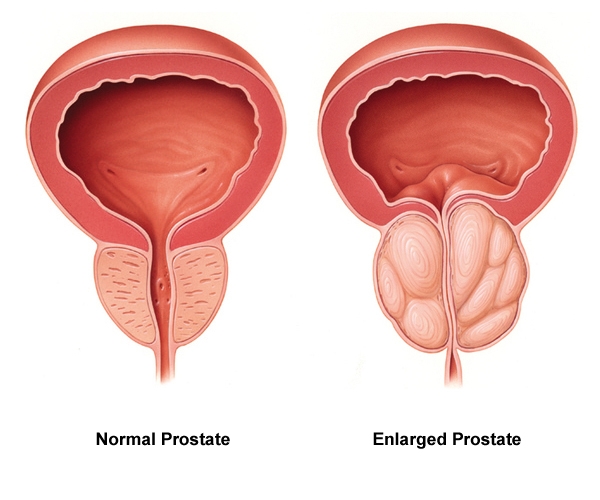 Male Health and Prostate Diseases
The prostate is a small, walnut-sized, shaped organ below the bladder and in front of the rectum. The main functions are to create fluids for semen and force semen through the urethra during ejaculation. It is usual for the prostate to get larger as one age. Because of the location just below the bladder and in front of the rectum, also wrapping around the upper part of the urethra, the tube that carries urine from the bladder out of the body, it means abnormal prostate conditions can affect urination and sexual function. The prostate is prone to three main conditions, which are Prostatitis, an infection or inflammation of the prostate gland; Benign prostatic hyperplasia (BPH), an aging-related enlargement of the prostate gland; Prostate cancer, the growth of cancerous cells inside the prostate, which may break out of the gland and affect other parts of the body.
Prostatitis
This is the inflammation (swelling) of the prostate gland, and common causes include infection (usually bacteria), injury, or an immune system disorder. The symptoms may include the inability to urinate, Painful or difficult urination, and painful ejaculation, accompanied by fever, Blood in the urine (hematuria), and Severe discomfort or pain in the pelvic area or genitals.
The Risk factors for prostatitis include:
Previous prostatitis, Infection of the urinary or reproductive system, HIV infection or AIDS, Use of a tube inserted into the urethra to drain the bladder (urinary catheter), and Diagnostic sampling of prostate tissue (biopsy).
Laboratory tests for Prostatitis include Urinalysis, urine microscopy/culture/sensitivity, HIV, measurement of Prostatic specific antigen levels in the blood, Scan, etc.
Benign prostatic hyperplasia (BPH)
The prostate will almost certainly get larger increasing age. A small amount of prostate enlargement is present in many men over age 40 years of age. More than 90% of men over age 80 have the condition. It’s not clear why it happens, but it may be linked to the decline in the male sex hormone testosterone with aging. This enlargement is a condition called benign prostatic hyperplasia (BPH). The key word is benign. BPH has nothing to do with cancer and doesn’t increase the risk of prostate cancer. It can make urination and ejaculation difficult because as the prostate grows, it presses on the urethra. That interferes with the flow of urine and the release of ejaculate during orgasm. In less than half of all men with BPH, symptoms may include dribbling at the end of urinating, Inability to urinate (urinary retention), Incomplete emptying of the bladder, Incontinence, needing to urinate two or more times per night, Pain with urination or bloody urine (these may indicate infection). Slowed or delayed the start of the urinary stream, straining to urinate, Strong and sudden urge to urinate, and Weak urine stream.
The Link between BPH and Sexual Problems
Scientists aren’t sure why, but they agree that the worse the BPH symptoms are, the more likely an individual is to have sexual issues such as reduced sex drive, trouble keeping an erection, and less sexual satisfaction. It may have something to do with genetics or age. It’s also possible that the sleeplessness or anxiety that can come from an enlarged prostate makes sexual problems worse.
Laboratory Test for BPH.
A digital rectal exam is usually done to feel the prostate gland. Urine flow rate is monitored, Urinalysis to check for blood or infection, Urine culture to check for infection, Prostate-specific antigen (PSA) blood test to screen for prostate cancer, Cystoscopy, Blood urea nitrogen (BUN) and creatinine tests to check for reduced kidney function.
Risk Factors for BPH include;
- Age – symptoms start manifesting by age 50 to 60 in 60% of men.
- Unhealthy diet- daily consumption of a diet high in red or processed meat, saturated fats, and dairy products can increase your risk for prostate problems. Sodium (salt), Alcoholic and caffeinated beverages like coffee, tea, and soda can also increase your risk due to being diuretics that increase urine production.
- Type 2 diabetes, poorly managed Hypertension, and other heart diseases, Smoking, obesity, and a Sedentary lifestyle are common risk factors.
- Prostatitis
- Family history/genetics
- Frequent Urinary Tract infection (UTI)
Prostate Cancer
Cancer is a disease in which abnormal cells divide uncontrollably and destroy body tissue, in the case of prostate, abnormal prostate cells continue to grow until it has destroyed normal body tissues around and beyond the prostate. Prostate cancer usually develops slowly, so there may be no signs for many years. Symptoms of prostate cancer do not usually appear until the prostate is large enough to affect the tube that carries urine from the bladder out of the penis (urethra). When this happens, one may notice things like increased need to pee, straining while peeing, a feeling that the bladder has not fully emptied. Causes of prostate cancer are largely unknown. However, certain things can increase the risk of developing the condition.
Risk factors for Prostate cancer include;
- Age: The chances of developing prostate cancer increase as one gets older. Most cases develop in men aged 50 or older. Prostate cancer risk begins to rise sharply after age 55 years and peaks at age 70–74, after which it starts to decline. For reasons not yet understood, prostate cancer is more common in black men and less common in Asian men.
- Men whose fathers or brothers were affected by prostate cancer are at slightly increased risk themselves.
- Other risk factors include Obesity, Smoking (increases steroid hormone production such as DHT, and estrogen), High levels of pesticides, excessive consumption of dairy products (milk, yogurt, cheese, lactose-free milk, and fortified soy milk and yogurt), excessive red meat consumption, Saturated fat, and Sedentary lifestyle.
Beneficial Foods to Eat
A diet rich in fruits, vegetables, and healthy fats, such as the Mediterranean diet, may benefit health. Salmon, rich in healthy fats that contain omega-3 fatty acids, helps prevent and reduce inflammation within the body, and other cold-water fish, such as sardines and trout, are also rich in these fats.
Tomatoes: Tomatoes are packed with lycopene, an antioxidant that may benefit prostate gland cells. Cooking tomatoes, such as in tomato sauce or soup, helps to release the lycopene and make it more readily available to the body. Berries: Strawberries, blueberries, raspberries, and blackberries are excellent sources of antioxidants, which help to remove free radicals from the body. Free radicals are the byproducts of reactions that occur within the body and can cause damage and disease such as concern over time.
Broccoli: Broccoli and other cruciferous vegetables, including bok choy, cauliflower, Brussels sprouts, and cabbage, contain a chemical known as sulforaphane. This is thought to target cancer cells and promote a healthy prostate.
Nuts: Nuts are rich in zinc, a trace mineral. Zinc is found in high concentrations in the prostate and is thought to help balance testosterone and DHT. Besides nuts, shellfish and legumes are also high in zinc.
Citrus: Oranges, lemons, limes, and grapefruits are all high in vitamin C, which may help to protect the prostate gland.
All these are vital in addition to exercises to strengthen the pelvic floor muscles, such as brisk walking, Kegel exercise, and moderate strength training.
(Written by Ebenezer Dic-Ijiewere PhD.)
 Coronary Heart Disease Risk Factors: Measures for Reduction
Coronary Heart Disease (CHD) is a chronic and intricate ailment associated with substantial morbidity and mortality, primarily attributed to atherosclerotic lesions in coronary vessels, ultimately leading to myocardial infarction (MI) and stroke. Unhealthy eating habits, often influenced by chronic inflammation, are closely linked to CHD. Various health conditions, lifestyle choices, as well as your age and family history, can elevate the risk of developing heart disease; approximately 47% of Americans have at least one of the three primary risk factors for heart disease: high blood pressure, elevated cholesterol levels, and smoking. Certain risk factors for heart disease, such as age or family history, are beyond your control. However, you can proactively reduce your risk by changing the factors you can control.
Behaviors that heighten the risk for heart disease are
- Smoking: The Food & Drug Administration (FDA) estimates that cardiovascular disease causes 800,000 deaths and 400,000 premature deaths per year. About one-fifth and one-third of these result from smoking, respectively. Additionally, research reported that smoking resulted in a 51% increased risk of coronary heart disease in patients with diabetes. Cigarette smoking has the potential to harm the heart and blood vessels, amplifying the risk for heart conditions like atherosclerosis and heart attacks. Even nonsmokers face an increased risk of heart disease when exposed to secondhand smoke.
- Excessive alcohol consumption can elevate blood pressure and elevate the risk of heart disease. It also leads to increased triglyceride levels, a fatty substance in the blood associated with an elevated risk of heart disease.
- Sedentary lifestyle: Insufficient physical activity is a precursor to heart disease and can strengthen the likelihood of other medical conditions that serve as risk factors, including obesity, high blood pressure, high cholesterol, and diabetes. Engaging in regular physical activity can effectively decrease the risk of heart disease.
- Unhealthy Eating Habits: A diet rich in saturated fats, trans fats, and cholesterol has been associated with heart disease and related conditions like atherosclerosis. Recent research has provided more explicit evidence that trans-fat significantly raises the risk of cardiovascular disease by adversely affecting lipids, endothelial function, insulin resistance, and inflammation. For each 2% increase in calories consumed from trans-fat, there is a 23% higher risk of coronary artery disease. Recent studies and systematic reviews have focused on red and processed meat consumption. The research consistently demonstrates an increased risk of coronary heart disease and cardiovascular events. The risk ranges from 15% to 29% higher with red meat consumption and 23% to 42% higher with processed meat consumption
Measures for Reducing the Risk of Coronary Heart Disease
- Educating children and adolescents about the dangers of smoking to deter the initiation of tobacco use. The Food & Drug Administration (FDA) reported that the risk of coronary artery disease decreases to the level of lifetime nonsmokers within four years of quitting and within ten years.
- The DASH, Mediterranean, and vegetarian diets have the most evidence for cardiovascular disease prevention. The DASH diet has been shown to lower systolic blood pressure by up to 11.5 mmHg in adults with hypertension. Additionally, reported findings indicate a 21% reduction in coronary artery disease risk with adopting the DASH diet.
- The American Heart Association suggests substituting saturated fat with polyunsaturated and monounsaturated fats. A 5% shift from saturated fat to polyunsaturated fat consumption is linked to a 10% lower risk of coronary artery disease.
- Engaging in about 150 minutes per week of moderate-intensity aerobic activity significantly lowers the risk of cardiovascular disease. Moderate-intensity aerobic exercise is characterized by activity that maintains a heart rate between 50 to 70 percent of the individual’s maximum heart rate, calculated as 220 beats per minute minus the person’s age.
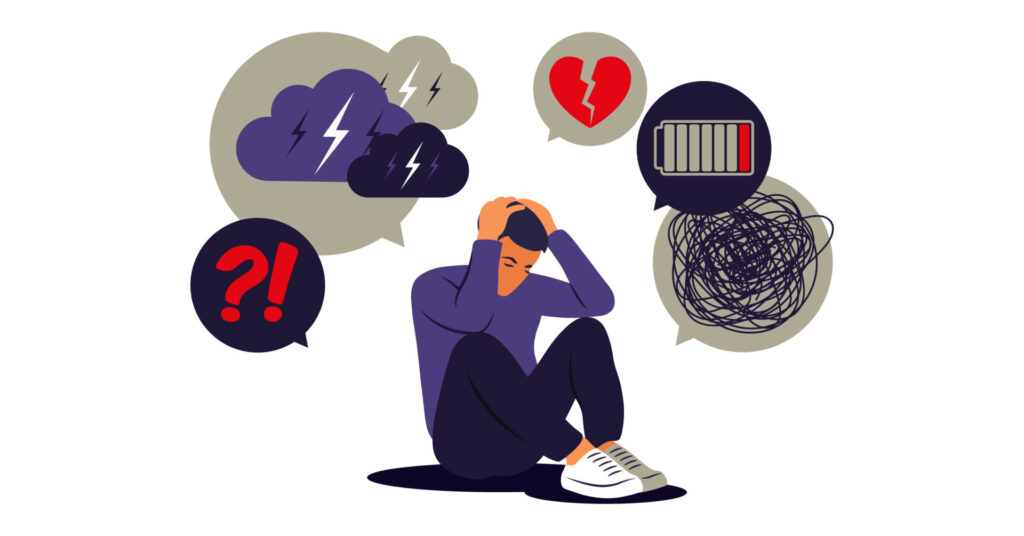 The Health Effects of Stress
Overview of Stress: Stress significantly affects health, contributing to disease development and burdening healthcare systems considerably. It is a significant factor in various ongoing health issues, particularly cardiovascular diseases, which are often impaired by everyday psychosocial pressures, such as work-related stress.
The following are the roles of stress in disease development.
Gender Differences in Stress Responses: Gender plays a vital role in how individuals experience and manage stress. Research reports that women are more likely to develop mood disorders and autoimmune. At the same time, men tend to have higher rates of early substance abuse, infectious disease, mortality, and antisocial behavior. Unsuccessful stress management can lead to severe physical and mental health consequences for both individuals and communities.
Physiological Responses to Stress: The study reports that stressful events can trigger emotional responses such as anxiety and worry, impacting the hypothalamic-pituitary-adrenal (HPA) axis and the sympathetic-adrenal-medullary (SAM) system, which may lead to unhealthy lifestyle choices, comprising poor sleep, alcohol consumption, decreased physical activity and increased smoking thereby increase the risk of diseases.
Chronic Stress in Specific Environments: Chronic stress in educational settings and workplaces impacts mental and physical health noticeably. Also, it indicates that occupational stress significantly affects mental well-being.
Traumatic Events as a Stress Source: Traumatic events are a prevalent source of stress that affects a large portion of the population. The study reports that In North America, about 60% to 75% of individuals will experience a traumatic event in their lifetime, including serious accidents, exposure to war, sexual assault, chronic childhood abuse, or neglect.